What’s your opposite world?
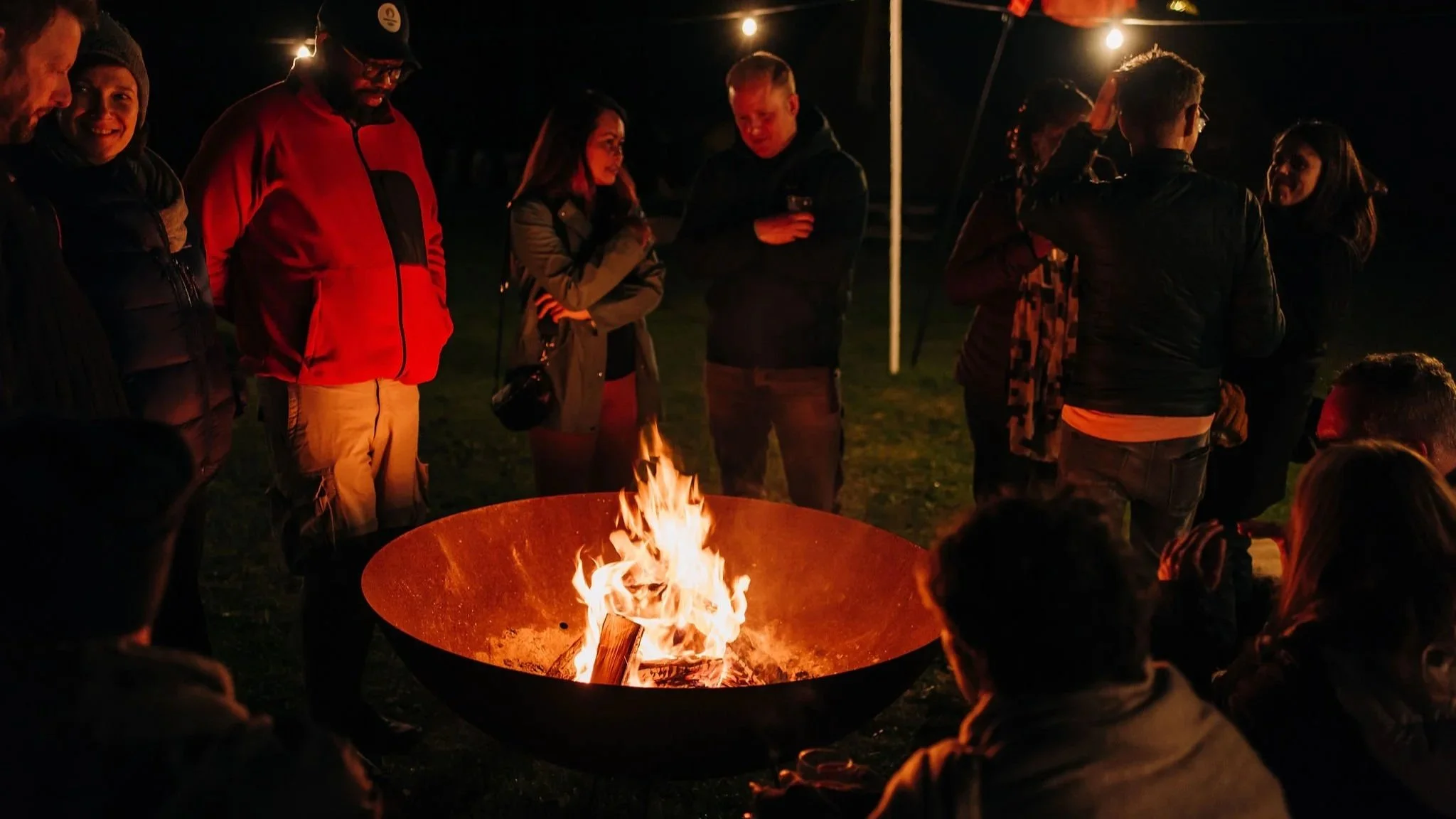
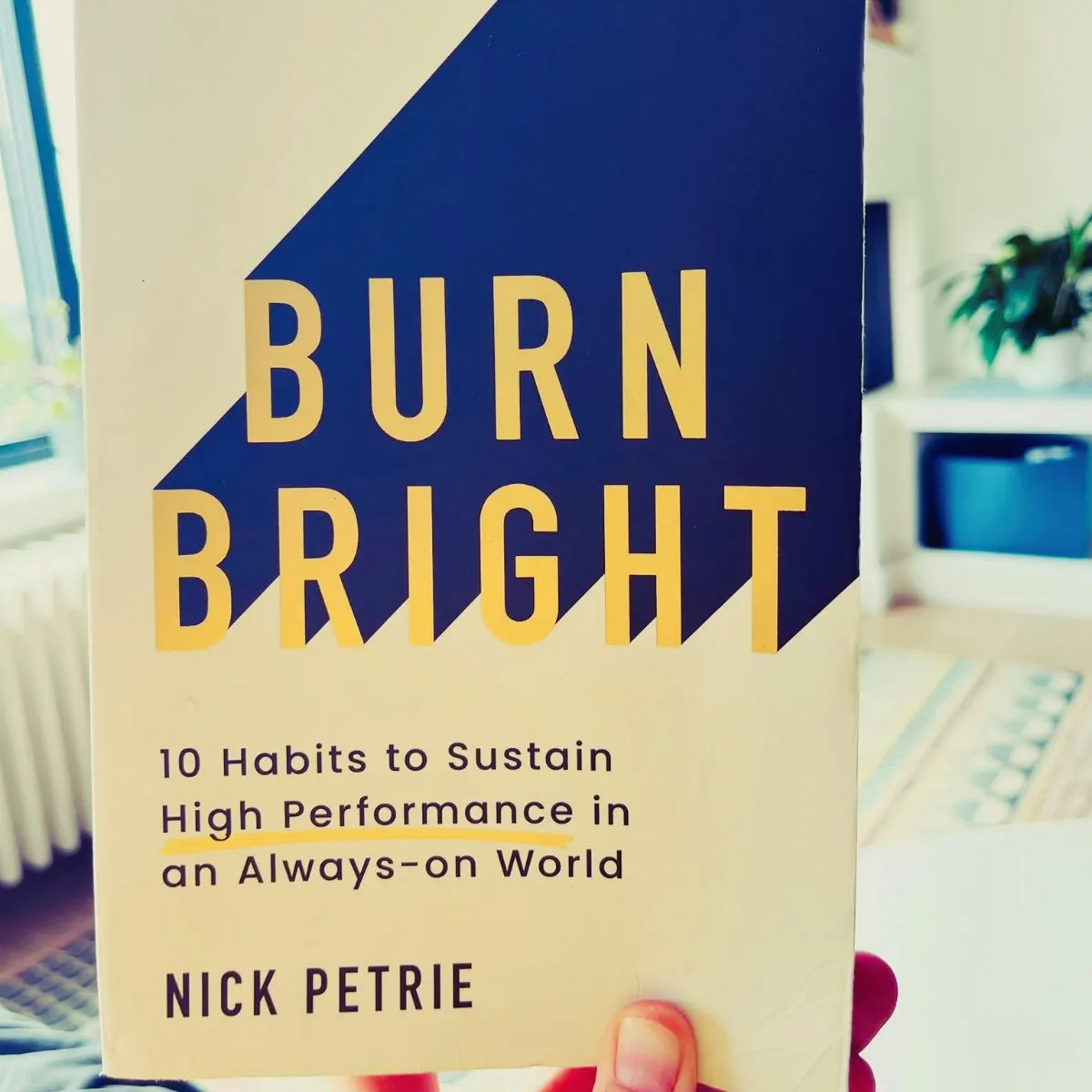
I’ve just finished a great book called Burn Bright by Nick Petrie.
I’ve followed Nick’s work for a few years and have always enjoyed his writing and insights. He’s a researcher and speaker from New Zealand on sustainable performance in the workplace.
His book shares the findings from a global study he and his team conducted with 1000 people over the last 5 years, across many different industries, from business leaders to priests.
They discovered a small, remarkable group of individuals they call the thrivers (making up just 3% of those interviewed) who cracked the code for maintaining peak performance without sacrificing their health or happiness.
In short, they didn’t burn out.
They burned bright 🌟
Their stories all followed a similar arc:
Early in their career, they had developed a strong work ethic that helped them succeed.
At some point, their way of working led them into chronic stress and, for some, into burnout.
Rather than pushing through, they took the stress as a signal to reflect deeply on their suffering. What was causing it? Why were they working in that way? Was it sustainable, and did they want to work that way for the next 20 years?
They let go of their old ways of working and developed a new approach to work that was a better fit for their current role, context and stage of life.
They then turned their approach into a series of rituals, mantras, mindsets and habits that they followed.
Each of them had worked out a new formula that allowed them to perform at higher levels than before but with lower stress and greater balance.
“I am a sprinter. I rest, I sprint, I rest, I sprint again.”

So what can we learn from them?
The book covers the 10 habits that these thrivers exhibited so that you can apply them to your own life.
I’ll share 3 of them here that I found particularly insightful:
1. Pulsing: the master habit
Your body needs balance, or more specifically to pulse. Nature constantly pulses, and it never gets tired. But the modern working culture does the opposite of pulsing, encouraging us to get stuck in one mode of working and staying in it for eight hours.
One of the biggest insights was that the people and teams who are thriving intentionally pulse throughout the day. If their schedule is full of tasks that require the same kind of work, they intentionally reorganise it to introduce activities that give them the same opportunity to pulse.
Some ways you can pulse:
Online to offline
Inside to outside
Sitting to standing
Group time to solo time
Shallow work to deep work
Multitasking to monotasking
2. Discovering your opposite world(s)
Another interesting finding was that thrivers almost always had an opposite world - an activity, hobby or pastime that is the direct opposite of their work day. Thrivers often had multiple opposites that they dived into.
I have a few. I’m sat down on my laptop a lot so I love using my hands or moving my body:
Playing the accordion and drums
Walking my dog
Pilates and swimming
Immersing myself in new experiences, whether travel, music or sport.
These are an antidote to how I spend most of my time. They allow me to pulse, to break up my days and remember I have a body and not just a brain.
Another cool finding from the study, which I’ve always believed to be true, is that our opposite worlds have knock-on benefits:
They benefit those around us, not just ourselves
They boost performance
This might not be why you’re doing them, but it’s always useful to keep it in mind the next time you feel guilty about stepping away from what you’re doing. I know my best ideas typically come when I’m not ‘working’.
3. Finding ‘good fit’
A high percentage of the people they studied who burned out did so after years of enduring a bad fit. Often it wasn’t that the workloads were too high, it was that the work itself drained them of life and energy.
The thrivers they interviewed all reflected deeply on the times in their work when they were at their most energised and engaged. They also reflected on the conditions, culture and activities that depleted and frustrated them.
They discovered that if you continue to navigate towards roles and environments that ‘fit’ who you already are, it is easier to do great work and you’ll be rewarded and paid to simply be yourself.
A good fit looks like:
Energises you
Aligns with your values
Feels meaningful
You get absorbed by it
You want to do it
A bad fit looks like:
Drains energy
Clashes with your values
Requires willpower
Pulls you away from what you want to do
Makes you resentful

Burn bright in the happy startup world
I was reflecting on how closely our work aligns with Nick’s study. We’ve long championed the need to find balance, to spend time in nature and new environments and to use your talents and experiences to guide you forward with more intention and purpose.
On Happy MBA we spend months working closely with founders and midlife career shifters to help them intentionally design their business or work to find more balance and meaning, and align with their needs and values at this point in their lives.
And Summercamp is the place each September where our vision comes to life. Once where you can step right in and start playing with some of the concepts I’ve shared:
Take intentional time for you 3 days not just for you, but for those around you.
Try new opposite worlds take your pick from dancing, mindful sewing, art, birdwatching, DJing, improv, singing, herbalism, poetry, journalling, sauna, music, yoga.
Experience pulsing in action there are moments of stillness and energy
Meet other thrivers learn from others on the path to burning bright
Seek the heat the best growth comes from experiences that push you out of your comfort zone
In fact Summercamp itself is an opposite world for most of us:
Green time > screen time
Being in community > working alone
Living simply in nature > city living with mod cons
Being inspired by the good in the world > doomscrolling
As of today, we have just 10 spaces left.
Let this be the day when you say yes to a happier, more thriving future, together.


💭 Thought for the day
What’s your unique talent stack?
Petrie encourages us to build a few standout strengths, then stack them to create a rare and powerful advantage.
To identify it, answer the following questions:
What do people tell you that you’re good at that you don’t find that hard to do?
What do you notice other people struggle with that you find easy?
What are you more efficient at than other people?
What did you learn or develop from past experiences that feel unique to you?
We get deep into questions like this on the Autumn cohort of Happy MBA, which starts in October (enrolment now open).
One of them being, what does effortless impact mean for you?
For me it’s gathering amazing humans, and letting serendipity weave its magic. My upbringing in pubs, my curiosity about people and passion for experience design makes it both effortless and a joy for me.
How about you?
“You don’t need to be great at any one thing: you need to find some skills you’re pretty good at and unique, and combine them.”